The Vest: How to Master Fashion's Most Versatile Layering Piece
The vest has quietly become fashion’s most versatile layering piece — tailored over a shirt, knit over a tee, quilted for warmth, or long for drama — adding polish, structure and dimension without the bulk of a jacket. The layering edit: the vest’s versatility, how to wear every kind, and how to layer it right.
The Vest’s Versatility
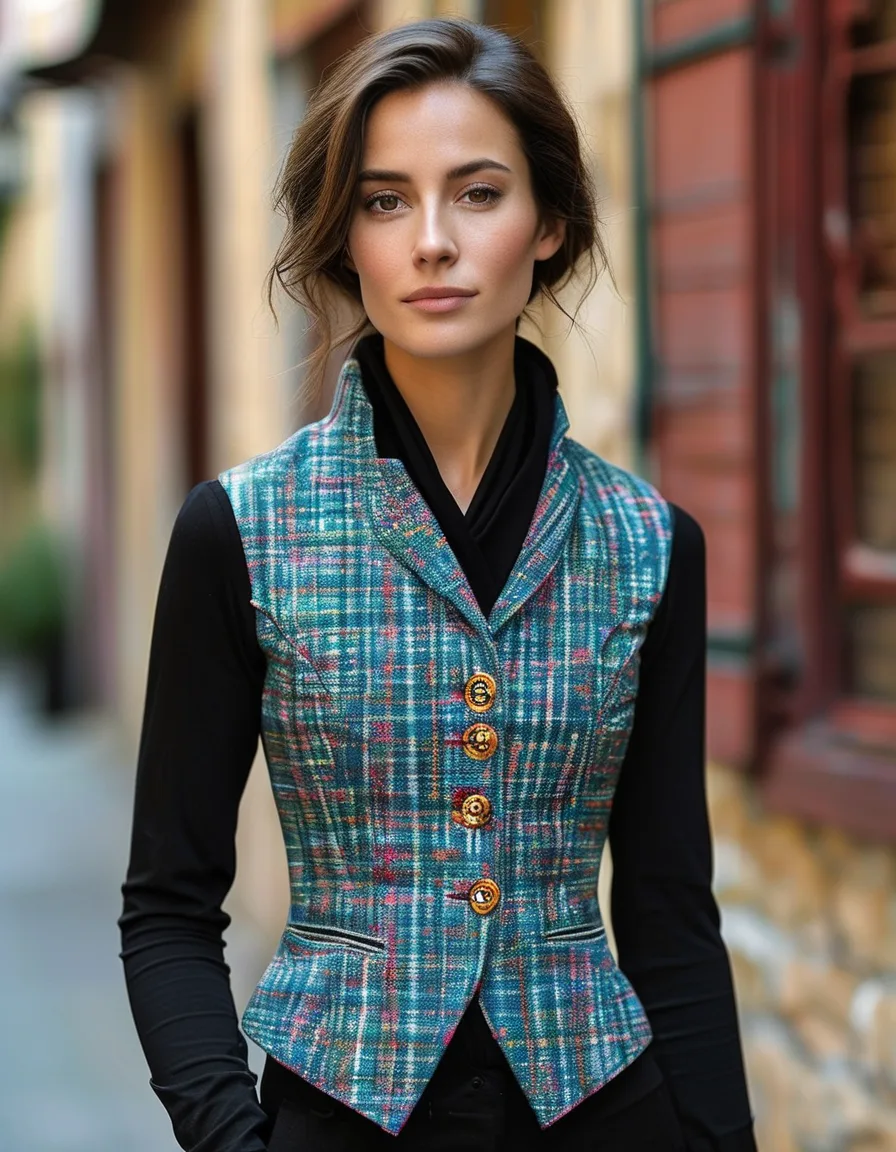
Why the vest is a layering MVP: the polish-without-bulk (the a-vest adding polish without a-jacket’s-bulk from the layering-essentials chapter — the the-no-bulk; the polish-no-bulk), the the-dimension-and-structure (the the-vest adding dimension-and-structure from the layering-like-a-pro chapter — the the-dimension; the dimension), the the-so-many-kinds (the tailored, knit, quilted-and-long vests from the statement-layer-pieces chapter — the the-variety; the many-kinds), the the-third-piece-power (the the-vest as a-perfect third-piece from the proportion-layering chapter — the the-third-piece; the third-piece), and the reframe (the vest as a-polish-adding, dimensional, versatile third-piece layer).
How to Wear Every Kind
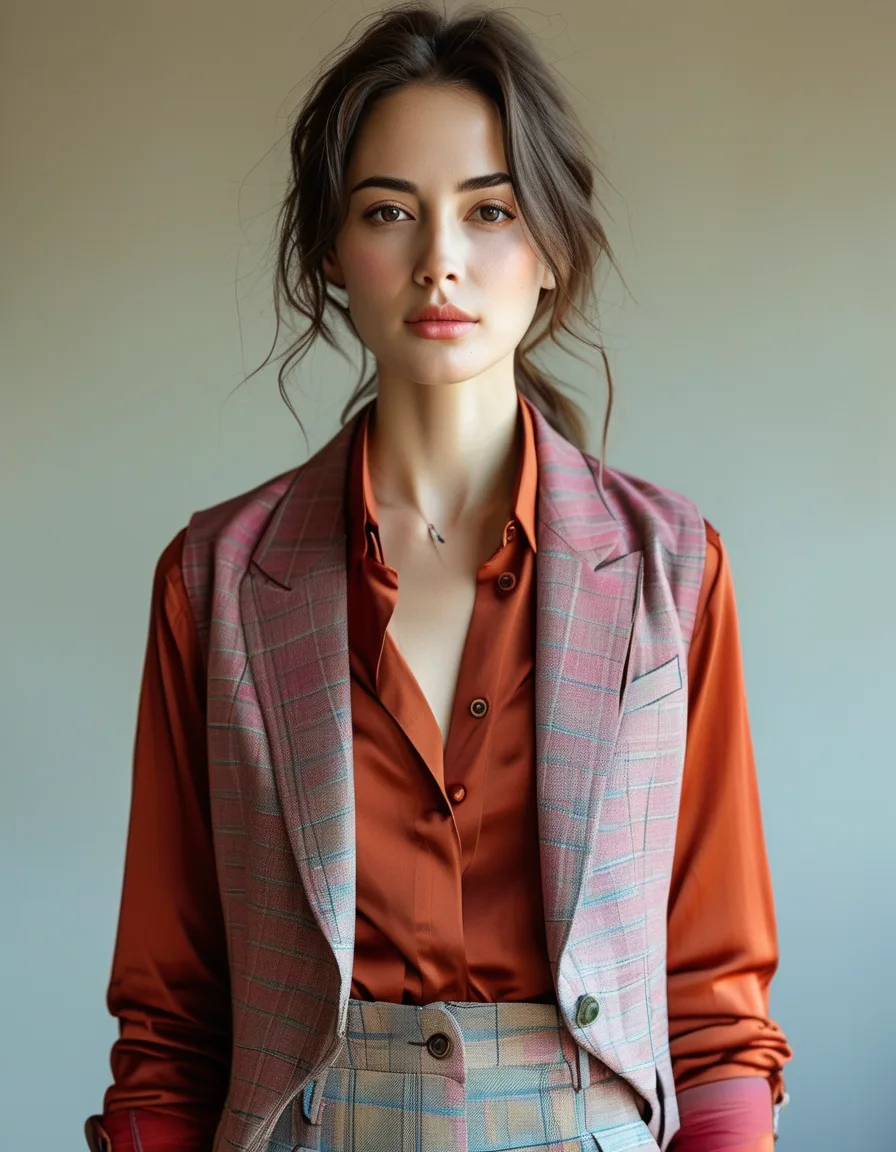
Wearing the different vests: the the-tailored-vest (the a-tailored vest over a-shirt (menswear-chic) from the layering-like-a-pro chapter — the the-tailored; the tailored-vest), the the-knit-vest (the a-knit-vest over a-tee-or-shirt from the layering-essentials chapter — the the-knit; the knit-vest), the the-quilted-vest (the a-quilted-vest for warmth-and-casual from the cold-weather-layering chapter — the the-quilted; the quilted-vest), the the-long-vest-or-gilet (the a-long-vest/duster for drama from the statement-layer-pieces chapter — the the-long; the long-vest), the the-vest-as-a-top (the a-vest worn-alone as a-top from the layering-like-a-pro chapter — the the-as-top; the vest-as-top), the the-suit-vest-styling (the a-suit-vest styled-modern from the layering-like-a-pro chapter — the the-suit-vest; the suit-vest), the the-layered-over-a-dress (the a-vest over a-dress from the statement-layer-pieces chapter — the the-over-dress; the over-a-dress), and the the-statement-vest (the a-statement vest-piece from the statement-layer-pieces chapter — the the-statement; the statement-vest).
How to Layer It Right
Layering the vest well: the the-proportion-and-length (the balancing the-vest’s proportion-and-length from the proportion-layering chapter — the the-proportion; the proportion), the the-fitted-or-relaxed-underneath (the fitted or relaxed under the-vest from the layering-like-a-pro chapter — the the-underneath; the underneath), the the-let-it-add-dimension (the the-vest adding a-layer-of-dimension from the layering-like-a-pro chapter — the the-dimension; the dimension), the the-tonal-or-contrast (the tonal or contrasting vest from the transitional-weather-layering chapter — the the-palette; the tonal-or-contrast), the the-transitional-piece (the a-vest as a-transitional-weather layer from the transitional-weather-layering chapter — the the-transitional; the transitional), the the-one-vest-statement (the the-vest as the-one layer-statement from the statement-layer-pieces chapter — the the-statement; the one-statement), the the-modern-styling (the modern vest-styling from the layering-like-a-pro chapter — the the-styling; the style-modern), and the frame (the vest as a-tailored-knit-quilted-or-long third-piece layered-with-proportion-and-dimension — fashion’s most versatile layering piece. Wear every kind of vest — tailored over a shirt (menswear-chic), knit over a tee, quilted for warmth, or long for drama (even as a top) — layered right through balanced proportion, a fitted or relaxed base underneath, and tonal or contrasting styling: fashion’s most versatile layering piece.
The vest has quietly become fashion’s most versatile layering piece — tailored over a shirt, knit over a tee, quilted for warmth, or long for drama — adding polish, structure and dimension without a jacket’s bulk. Wear every kind — a tailored vest (menswear-chic), a knit vest, a quilted vest (warmth, casual), a long vest/gilet (drama), even a vest as a top or over a dress. Layer it right — balanced proportion-and-length, a fitted or relaxed base underneath, letting it add dimension, tonal or contrasting, as a transitional piece or one statement. How to master fashion’s most versatile layering piece.
Keep Reading
This article is for general styling and informational purposes only. Trends, sizing, availability and pricing may vary by brand and season.