The Layering Edit

Master the art of layering, every season

Summer Layering: Yes, It's a Thing (Here's How)

2026-07-14

Quick Answer: Summer layering works because the layers are thin, breathable, and removable — you’re not adding warmth, you’re adding options. The four systems that do it: an unbuttoned linen shirt over a tank, a dress as a base layer, a shirt tied at the waist in standby mode, and sheer or crochet pieces that add texture with zero insulation.

Layering supposedly dies in summer. And yet the best-dressed person on the street in July is somehow wearing three pieces and looking cooler than everyone in a single tank top.

They’re not suffering for it. Summer layering runs on completely different rules than winter layering — lighter, looser, and strategic rather than thermal. Here’s the system.

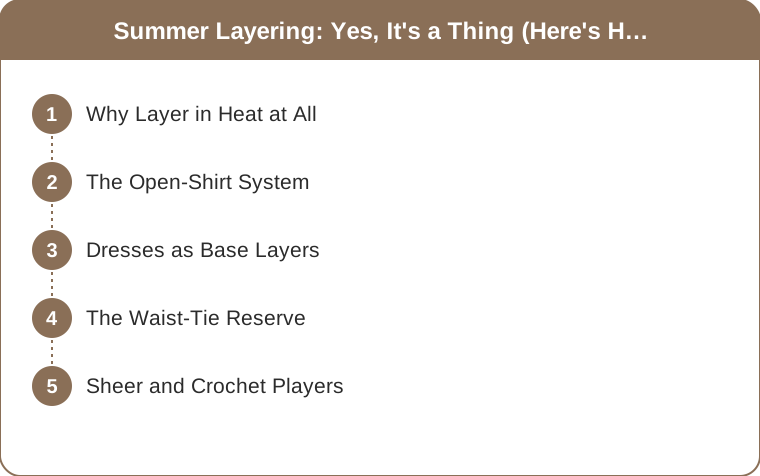
Summer Layering: Yes, It's a Thing (Here's How)

At a glance

Why Would You Layer in Hot Weather?

Three genuine reasons, none of which are warmth.

The AC rollercoaster. A single day can take you from a 92°F sidewalk to a 68°F office to a freezing restaurant and back. That’s a 20-degree swing you’re expected to handle with one outfit. A removable layer is the only answer.

Sun protection. A loose long-sleeve shirt over a tank covers your shoulders and forearms far more reliably than sunscreen you forgot to reapply — and tightly woven cotton or linen blocks a meaningful amount of UV while still moving air.

Style dimension. One piece reads simple. Two light pieces read styled. It’s the cheapest upgrade available to any summer outfit, and it costs you almost nothing in heat if the fabrics are right.

The key principle: it’s not insulation, it’s choreography. Every summer layer should be something you can shed in three seconds and carry in one hand.

What Is the Open-Shirt System?

An unbuttoned linen or cotton shirt over a tank is summer’s blazer. It’s the single highest-return layering move there is.

Why it works: it adds instant visual depth and a vertical line, it gives you sleeves when the sun or the AC demands them, and because it hangs open it adds essentially zero insulation — air moves straight through.

How to make it look intentional rather than like you forgot to button up:

  • Go tonal. White over white, or beige over cream, reads deliberate. Random shirt over random tank reads accidental.
  • Size up. The shirt should be looser than a fitted button-down, with room for air to circulate.
  • Roll the sleeves to just below the elbow, or leave them full for sun cover.
  • Choose linen or lightweight cotton. Poplin works; anything with polyester in it defeats the purpose.

Summer Layering: Yes, It's a Thing (Here's How)

How Do You Layer With Dresses in Summer?

Treat the dress as the base, not the finished outfit.

  • Slip dress under an open shirt. The easiest formula in this entire article. Works for brunch, works for the office with sandals swapped for flats.
  • A sheer or mesh layer over a slip. Adds texture and a little coverage without a single degree of warmth.
  • A sleeveless dress under a cropped vest or knit tank. Creates a waist line and a second color without sleeves.
  • A long open kimono or duster over a simple dress. Movement does the styling work for you.

This is layering at its easiest, because the dress is already a complete outfit — anything you add is bonus dimension rather than a load-bearing decision.

The Waist-Tie Reserve

A shirt or light knit tied at your waist is a layer in standby mode: style now, sleeves later.

It does two jobs at once. It creates a horizontal line and some structure over an otherwise plain shorts-and-tank outfit, and it means the layer you’ll want in the over-air-conditioned restaurant is already with you rather than at home.

Practical notes: tie a light knit or a shirt, not a heavy sweatshirt, and keep the knot low and slightly off-center. It reads as nonchalance. It’s actually logistics.

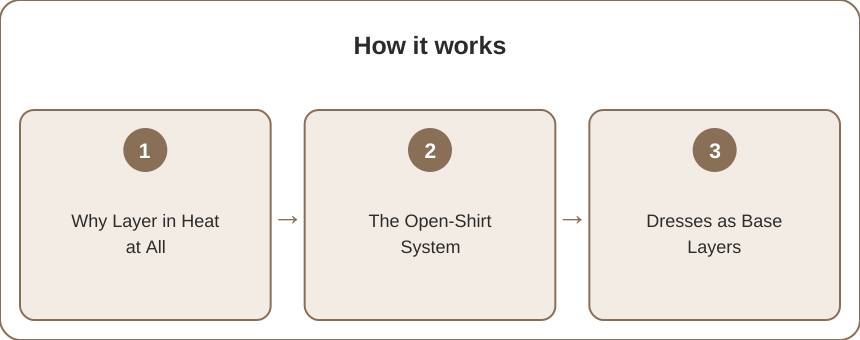
How it works

5 Summer Layering Mistakes Everyone Makes

The fourth one is why people conclude summer layering “doesn’t work for them.”

  1. Layering synthetics. Polyester over polyester traps heat and moisture between the layers. Natural fibers or nothing.
  2. Adding a fitted layer. Every summer layer should be looser than the one beneath it. A tight second layer removes the airflow that makes the whole thing survivable.
  3. Buttoning the shirt. An open shirt is a layer. A closed shirt is just a shirt, and a hot one.
  4. Picking layers you can’t carry. If it doesn’t fold into your bag, you’ll be holding it for four hours and you’ll never do this again.
  5. Skipping the tonal check. Two random colors read as “got dressed in the dark.” Two shades of the same family read as styled — same effort, entirely different result.

Sheer and Crochet: Summer’s Loophole

Mesh tees, crochet vests, and organza overshirts layer visually without layering thermally. You get texture, pattern, and partial coverage at effectively zero added degrees.

They’re also the bridge piece for beach-to-town: a crochet vest or sheer shirt over swimwear turns a beach look into something you can wear to lunch, which is exactly the gap most summer wardrobes have. Layer a mesh or crochet piece over high waist yoga leggings and a bra top and the same trick works for a studio-to-street outfit.

Two practical notes: check opacity in daylight before you commit, and remember sheer layers give you texture, not sun protection.

Mini FAQ

What fabrics are best for summer layering?

Linen first, then lightweight cotton, cotton gauze, and silk — all breathe and move moisture away from skin. Avoid polyester and rayon blends between layers, since they trap heat exactly where you need airflow.

How many layers is too many in summer?

Two visible layers plus a base is usually the ceiling, and each one should be looser than the one under it. Beyond that you’re adding bulk and heat without adding much visual interest.

Can you layer in humid weather, not just dry heat?

Yes, but be stricter about fabric and fit — humidity makes anything clinging feel worse. Stick to open, unbuttoned layers in linen or gauze, and skip anything that sits flat against your back.

TL;DR:

  • Summer layers are thin, loose, and removable — options, not insulation.
  • The open linen shirt over a tank is summer’s blazer. Go tonal, size up, leave it unbuttoned.
  • Use dresses as base layers and the waist-tie as a layer in standby mode.
  • Sheer and crochet add texture with zero warmth — and turn beach looks into town looks.
  • Never layer synthetics, never make the outer layer the tighter one, and pick layers you can actually carry.

Keep Reading

This article is for general styling and informational purposes only. Trends, sizing, availability and pricing may vary by brand and season.

layeringsummerstyling

← All articles