The Layering Edit

Master the art of layering, every season

How to Layer Like a Pro (In Any Season)

2026-07-11

Quick Answer: Great layering starts with a thin, fitted base (never bulky), builds in threes — base, middle, outer — and mixes textures within one cohesive color palette. Get those three things right and layers add warmth and depth instead of just… bulk.

You’ve done it. Grabbed every warmish thing in the closet, put it all on at once, and walked out the door looking less “effortlessly chic” and more “just escaped a laundry pile.” Layering has a reputation problem, and it’s not really layering’s fault — it’s technique. Done right, it’s one of the most useful styling skills there is.

How to Layer Like a Pro (In Any Season)

What should you wear as your base layer?

Start slim. A fitted tee, a fine knit, a thin turtleneck — anything with minimal bulk works as your foundation. This is the step people skip, and it’s the one that matters most: if your base is already thick, every layer after it just compounds the puffiness. A thin base gives everything else room to sit smoothly instead of straining at the seams.

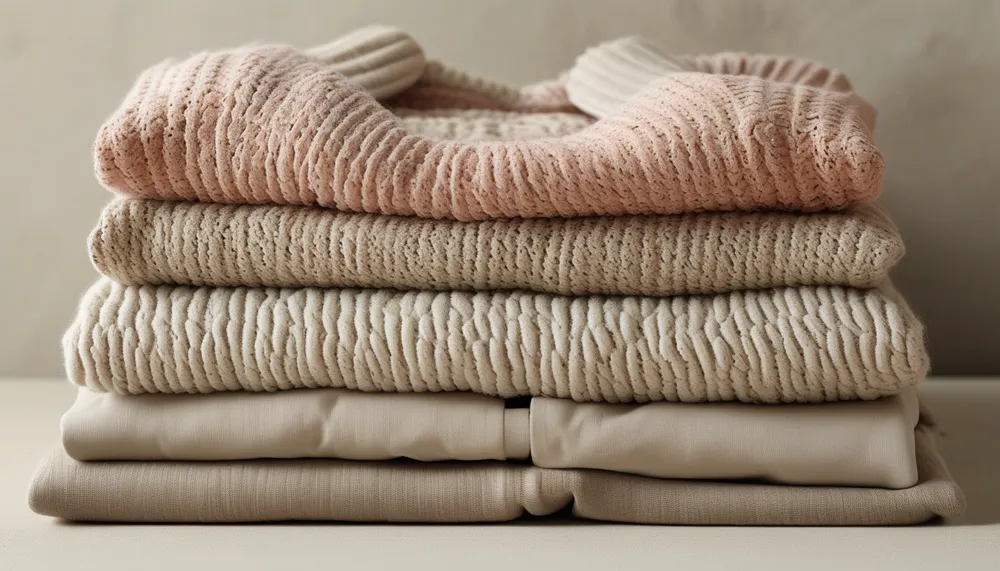
Styling flat lay

How many layers should you actually wear?

Three, in a specific order: base, middle, outer. A shirt, then a knit, then a jacket or coat — each one visible, each one earning its place. The pro trick is treating it like a formula instead of a pile: if a piece isn’t adding warmth, texture, or visual interest, it doesn’t make the cut. Stop at three and you’ll almost never look bulky.

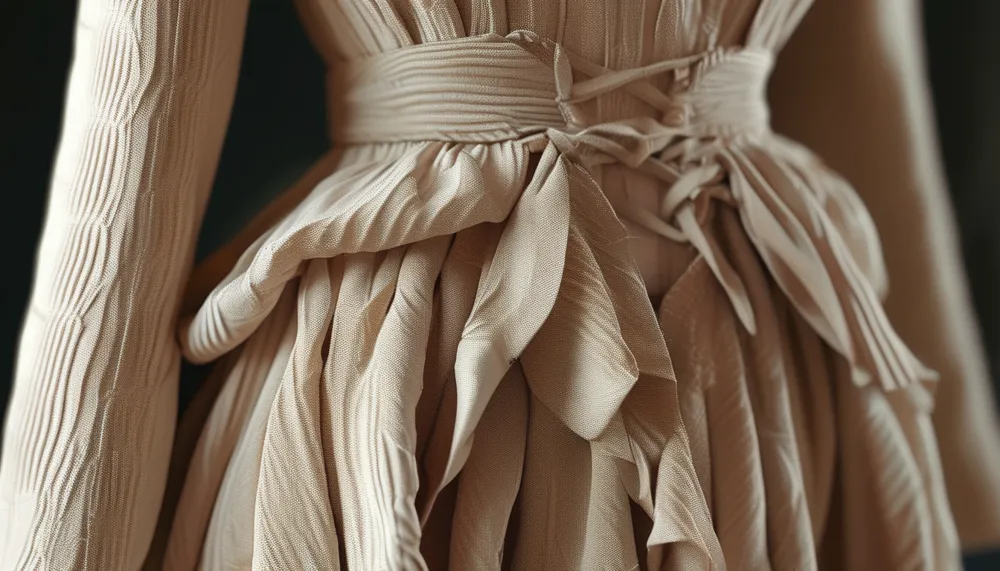
Point detail

Why do layered outfits look “put together” instead of thrown on?

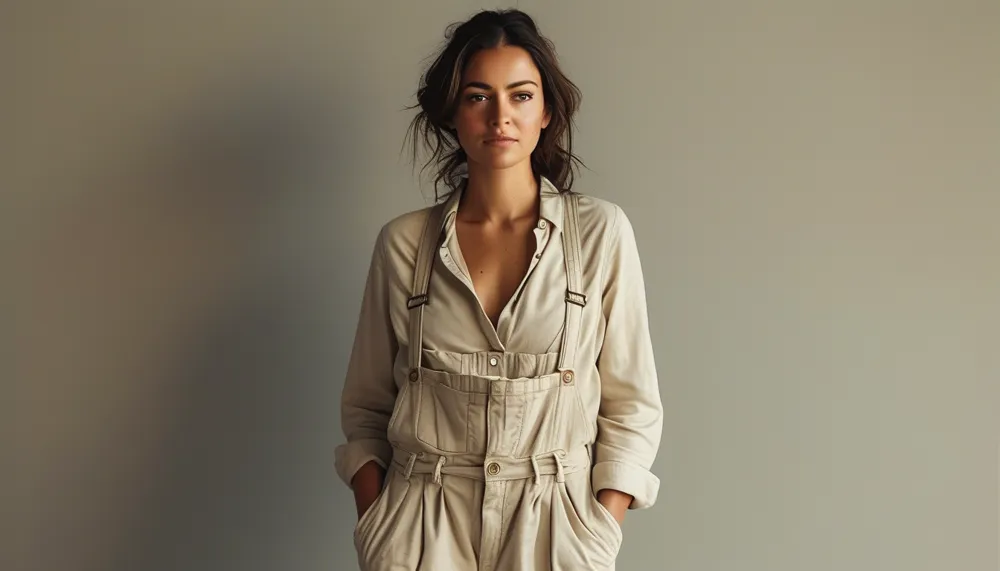
Two words: length and texture. Let your layers show at different lengths — a longer shirt peeking under a shorter knit, a cropped jacket over a longline top — and that’s the detail that reads as intentional rather than accidental. Then mix textures (smooth with chunky, matte with a little sheen) while keeping every piece inside one cohesive color palette. Texture creates interest; a tight palette keeps it from turning chaotic.

Myth vs. Fact: Layering Edition

Myth: More layers = more stylish. Fact: More layers usually just means more bulk. Three well-chosen layers beat five random ones, every time.

Myth: Layering is only for winter. Fact: A thin cardigan over a tank, or a light jacket over a dress, is layering too — it just uses fewer, lighter pieces. The technique doesn’t change with the season, only the weight of the fabric.

Myth: Layers have to match perfectly. Fact: They have to coordinate, not match. A cohesive palette with varied textures looks far more interesting than three pieces in the exact same shade.

What Nobody Tells You About Layering

Nobody mentions that layering is also a fit problem, not just a style one. Each layer needs a size grade up from the one underneath — a base that’s fitted, a middle that’s true-to-size, and an outer piece with a touch of extra room — or the whole stack pulls and strains at the shoulders by lunchtime. Nobody mentions, either, that fabric weight matters more than piece count: two lightweight layers can look slimmer and feel warmer than one heavy one, because trapped air (not bulk) is what actually insulates you.

FAQ

Does layering make you look bigger?

Only if your base layer is already thick. Start thin, keep it to three intentional layers, and vary the lengths — that combination visually slims rather than bulks.

What’s the easiest layering mistake to fix?

Skipping the “three-layer” rule. If you’re piling on a fourth or fifth piece “just in case,” pick your favorite three and leave the rest in the closet. It instantly looks more considered.

Can you layer in warm weather?

Yes — think lightweight, like an unbuttoned shirt over a tank or a thin knit vest over a tee. Same base-middle-outer logic, just swapped for breathable fabrics.

Should each layer be sized differently?

Yes, slightly. Your base should be fitted, your middle layer true-to-size, and your outer piece a touch roomier — sizing every layer identically is what causes that stiff, straining look at the shoulders and underarms.

What fabric weights work best for a base layer?

Merino wool and fine cotton jersey are ideal — both are thin enough not to add bulk while still providing real warmth, unlike heavier cotton or bulky synthetic blends that fight against everything layered on top.

Does layering work with structured pieces like blazers?

Yes — a blazer makes an excellent outer layer over a knit middle and fitted base, and its structure actually helps the whole stack hold its shape better than soft layers alone.

TL;DR:

  • Start with a thin, fitted base — never bulky
  • Build in exactly three layers: base, middle, outer
  • Vary lengths so layers show and read as intentional
  • Mix textures, but keep the color palette cohesive

Layering like a pro is a genuine skill worth mastering. Start with a thin fitted base, build in threes, play with length and proportion, and mix textures within a cohesive palette. Get these right and you’ll stay comfortable while looking effortlessly chic and considered, all year round.

Keep Reading

This article is for general styling and informational purposes only. Trends, sizing, availability and pricing may vary by brand and season.

← All articles