Why Color Blocking Between Layers Reads More Intentional Than Matching Tones
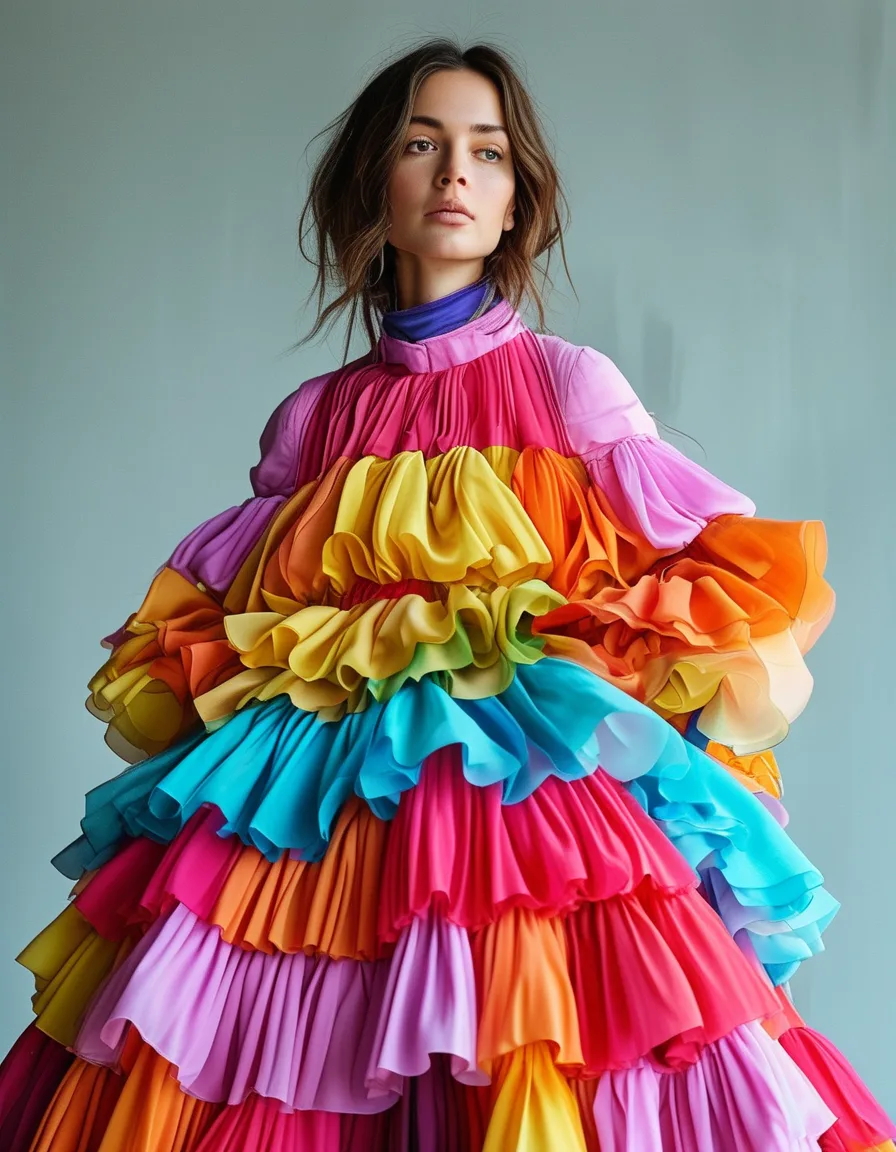
Matching tones across every layer, a beige coat over a beige sweater over beige pants, gets treated as the safe, cohesive way to build a layered outfit. But a deliberate contrast between layers, one bold color against neutrals, tends to photograph and read as more intentional and considered than an all-matching approach, since it shows the layering was a choice rather than a default.
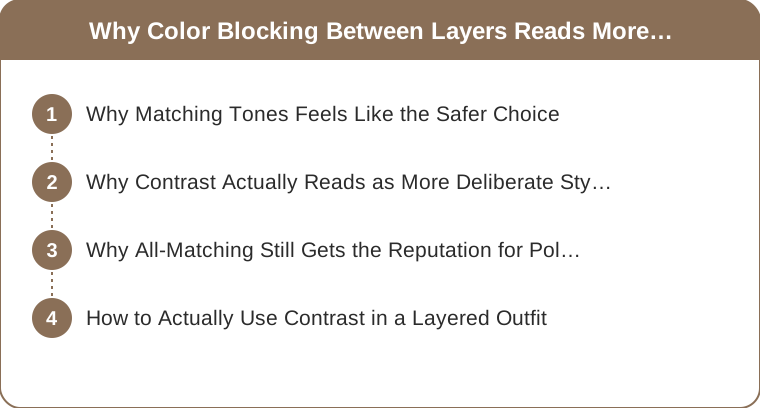
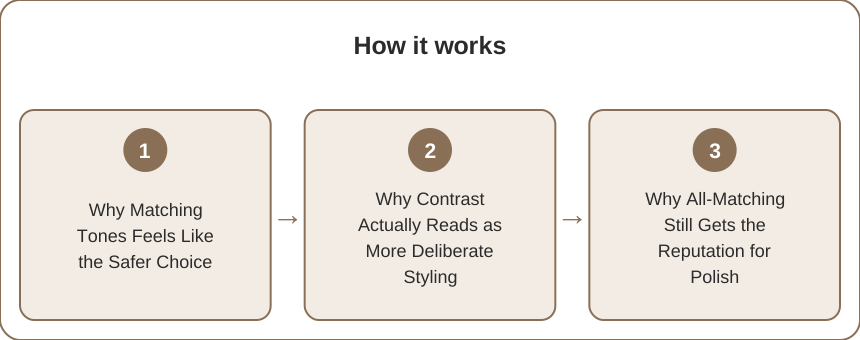
Why Matching Tones Feels Like the Safer Choice
The cohesion-equals-safety assumption: keeping every layer within the same color family feeling like the lowest-risk way to avoid clashing, since it’s hard to get a monochrome or tonal outfit visibly wrong.
Why Contrast Actually Reads as More Deliberate Styling
The visual attention mechanism: a single contrasting color against a otherwise neutral layered outfit immediately drawing the eye and signaling that a specific choice was made, whereas a fully tonal outfit can sometimes read as simply not having planned any color decision at all, since there was nothing to choose between.
Why All-Matching Still Gets the Reputation for Polish
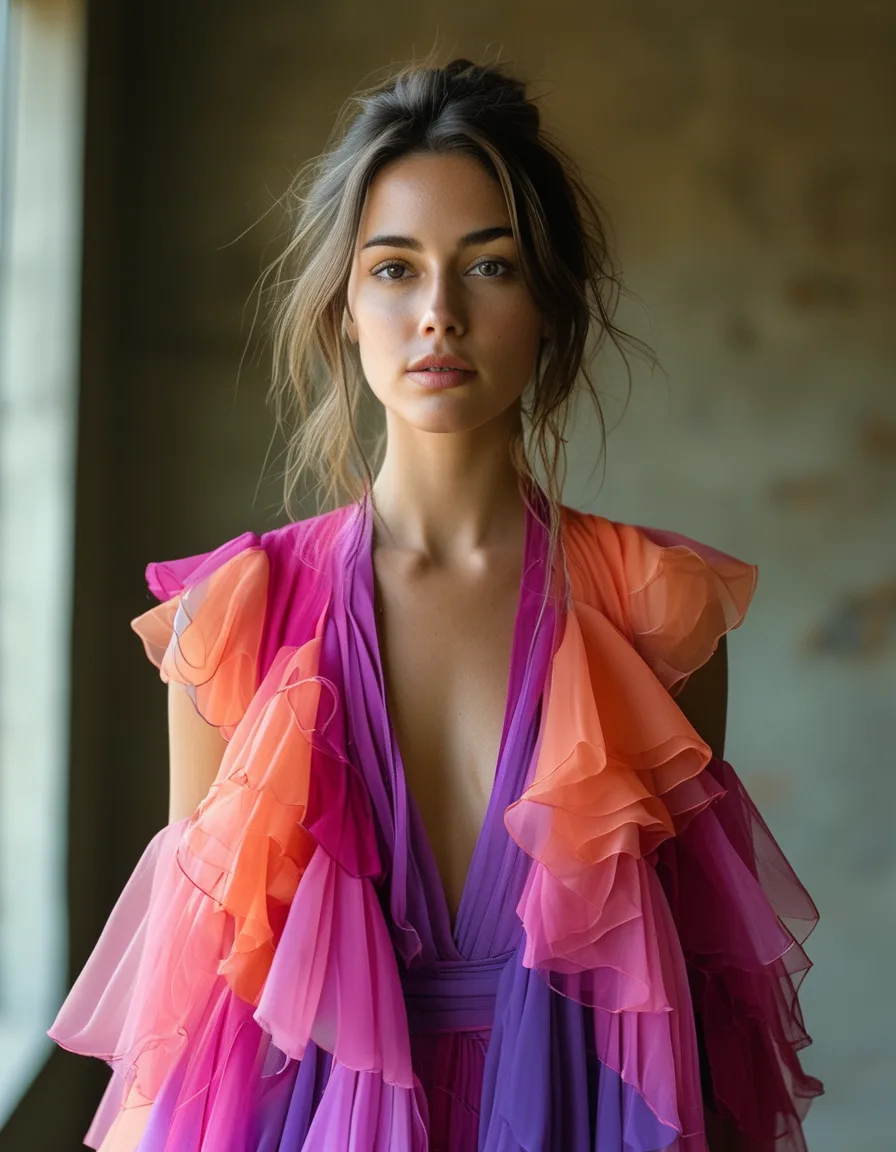
The overlap: a well-executed tonal outfit does look polished and put-together, which is real, but that polish comes from careful shade-matching within the tones, not from the absence of contrast itself, so all-matching isn’t the only route to looking intentional.
How to Actually Use Contrast in a Layered Outfit
The practical approach: choosing one layer, often the outermost or an accessory, in a color that clearly breaks from the rest of the outfit’s neutral base, rather than defaulting to full tonal matching every time, and the frame (a deliberate color contrast between layers reads as more considered than full tonal matching — choosing one break color is what actually signals intentional styling.)
Matching tones across every layer gets treated as the safe, cohesive way to build a layered outfit. But a single contrasting color against an otherwise neutral layered outfit immediately draws the eye and signals a specific choice was made, whereas a fully tonal outfit can read as simply not having made any color decision at all. A well-executed tonal outfit does look polished, but that polish comes from careful shade-matching, not from the absence of contrast itself. Choosing one layer to clearly break from the outfit’s neutral base is what actually signals intentional styling.
Keep Reading
This article is for general styling and informational purposes only. Trends, sizing, availability and pricing may vary by brand and season.