Why Texture Does the Heavy Lifting in Every Good Layered Look
When a layered outfit looks expensive and effortless, we assume it is the colors or the proportions doing the work. Often it is neither. It is texture. Contrasting the surfaces of your pieces, a nubby knit against smooth silk, matte against sheen, is what gives a look depth and richness, and it is the tool most people never consciously reach for. Here is why texture is the secret engine of good layering, and how to build with it on purpose.
Texture creates depth color cannot
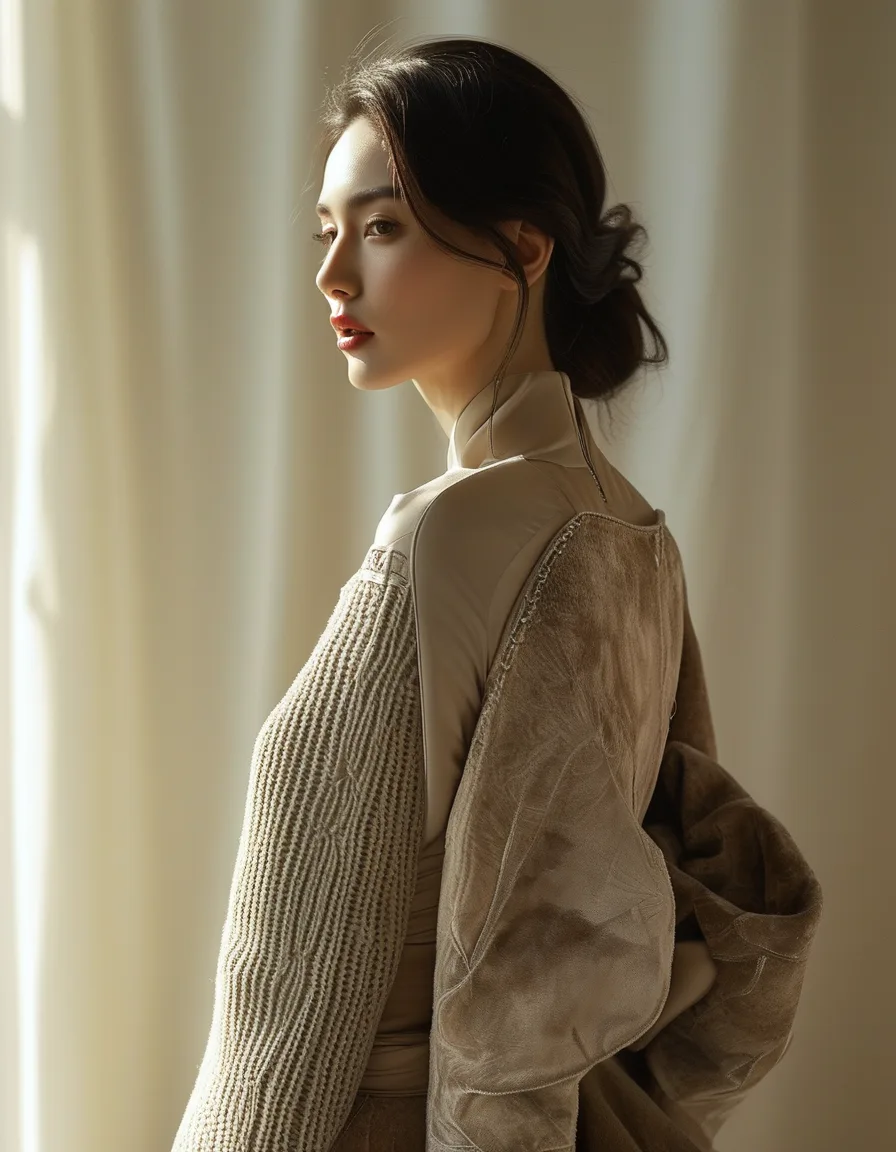
A monochrome outfit in a single flat texture reads as boring no matter how good the color is. Introduce contrasting surfaces and the same palette suddenly looks intentional and rich. This is because the eye reads texture as depth and craftsmanship: a chunky knit over a silk slip, a suede jacket against crisp cotton, leather next to soft wool. The contrast catches light differently across the outfit and creates visual interest that color alone cannot manufacture. It is why a head-to-toe neutral look can be quietly stunning, the whole story is being told in texture instead of hue.
The pairings that always work
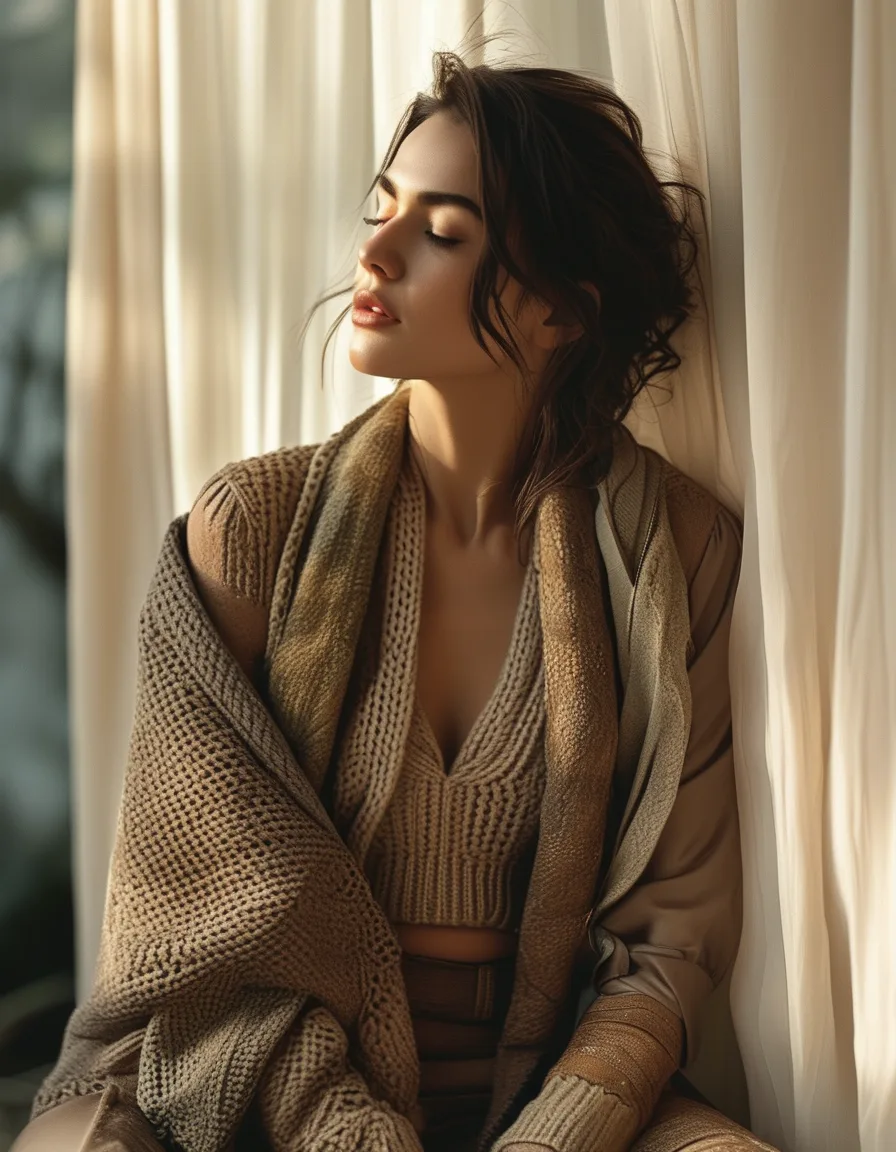
Some texture contrasts are reliable enough to build a wardrobe around. Smooth against rough, silk with chunky knitwear, is the classic for a reason. Matte against shine, like wool trousers with a satin blouse, adds subtle luxury. Structured against soft, a crisp blazer over a fluid dress, creates elegant tension. Hard against yielding, leather with cashmere, feels modern and rich. The principle underneath them all is contrast: put unlike surfaces together and let the difference do the work. Sameness flattens a look; difference gives it life.
Building an outfit around texture
Try composing a look by texture rather than starting with color. Pick a palette you like, then deliberately vary the surfaces within it, making sure no two adjacent layers share the same feel. If everything you have put on is smooth, add something with grain or nap; if it is all matte, introduce a sheen. This is especially powerful in tonal and neutral dressing, where texture is the only thing keeping the look from going flat. Once you start seeing outfits as a composition of surfaces, layering stops being about piling on and starts being about contrast.
The layered looks that read as effortlessly rich are almost never about color or proportion alone; they are built on texture. Contrasting surfaces, smooth against rough, matte against sheen, structured against soft, creates the depth and craftsmanship the eye reads as luxury, and it is the tool most people overlook entirely. Build your outfits by varying the feel of each layer rather than just the shade, lean on the reliable contrasts, and let texture carry tonal and neutral looks that would otherwise fall flat. Once you compose by surface instead of by color, ordinary pieces start looking considered, and your layering finally has the depth it was missing.
Keep Reading
This article is for general styling and informational purposes only. Trends, sizing, availability and pricing may vary by brand and season.